
30 October 2026 · 12 min read
Electrolytes vs Water: Essential Guide | Nonesuch

Introduction: Is Your Water Bottle Doing Enough?
Picture this: It’s a regular Tuesday. You leave home in a hurry, squeeze into a crowded commute, spend the day juggling meetings in an air-conditioned office, and somehow forget to finish the water bottle sitting right in front of you. By 3 PM, you’re feeling a little drained, your energy is dipping, and all you can think about is getting through the rest of the day.
Sound familiar?
You reach for your water bottle, take a few gulps, and wonder: Is plain water enough, or does my body need something more?
That’s where the conversation around electrolytes vs water begins.
Here’s the good news: plain water is perfectly sufficient for most people on most days. But when the weather gets hotter, your workout gets sweatier, or your day involves hours of running around, your body loses more than just water. It also loses essential minerals called electrolytes.
So, should you stick to your trusty water bottle or give it a little backup? Let’s break it down without the complicated science or confusing fitness jargon.
What Are Electrolytes, and Why Is Everyone Talking About Them?
Think of your body as a busy city. Water keeps things moving, while electrolytes help ensure everything reaches the right destination.
Electrolytes are minerals, including sodium, potassium, magnesium, and calcium, that carry an electrical charge when dissolved in body fluids. They help regulate fluid balance, support normal muscle function, and allow your nerves to send signals properly.
In simpler terms, they help your body do some pretty important behind-the-scenes work.
Sodium and potassium, for instance, play key roles in maintaining fluid balance. Magnesium and calcium contribute to normal muscle function. Together, these minerals help keep your body functioning as it should.
And no, electrolytes aren't just for professional athletes, marathon runners, or people who spend half their lives at the gym. They can also be relevant to someone spending a hot afternoon outdoors, attending a long event, or navigating a particularly sweaty commute.
The trick is knowing when you actually need them.
Electrolytes vs Water: Which One Wins?
Here’s the thing: water and electrolyte drinks aren't competitors. They simply serve slightly different purposes.
Think of water as your everyday teammate. Electrolytes are the extra support you bring in when the day gets particularly demanding.
| Feature | Plain Water | Electrolyte Drinks |
|---|---|---|
| What they provide | Fluid | Fluid plus minerals such as sodium and potassium |
| Best suited for | Everyday hydration, desk work, and regular activities | Hot weather, heavy sweating, and prolonged activity |
| Sugar content | No sugar | Depends on the product |
| Everyday necessity | Essential for normal hydration | Useful in certain situations, but not always necessary |
The takeaway? Don't ditch your water bottle just because electrolyte drinks are having a moment. The smartest approach to hydration is choosing what your body needs, rather than assuming every glass of water needs an upgrade.
When Is Plain Water Enough? (Spoiler: Most of the Time!)
Imagine a relaxed Sunday. You wake up late, enjoy breakfast, walk to the neighbourhood market, have dal chawal for lunch, and spend the afternoon doing absolutely nothing that deserves a fitness tracker.
On a day like this, water and regular meals will generally do the job.
Why? Because your food supplies essential minerals, too. Beans, lentils, bananas, and coconut water can contribute potassium, while a variety of everyday foods provide sodium and other nutrients.
Even a gentle walk, a little stretching, or a normal day at your desk usually doesn't call for a special electrolyte drink.
So, before you add another product to your shopping cart, remember this: hydration doesn't have to be complicated to be effective.
Drink water regularly, eat balanced meals, and pay attention to your thirst. Your body doesn't need a fancy hydration routine every single day.
When to Take Electrolytes: Five Moments When Your Body May Need Extra Support
Now, let's switch from a relaxed Sunday to a typical day in the Indian summer.
You're rushing through a crowded commute, walking around outdoors, attending back-to-back meetings, or squeezing in a workout before dinner. Suddenly, your regular day involves a lot more sweating than you planned.
These are the situations when thinking about electrolytes for hydration makes sense.
1. The Sweaty Commute
The morning starts with an auto ride, a crowded metro, or a walk under the blazing sun. By the time you reach work, your shirt has already had a long day.
When you sweat heavily, your body loses both fluid and electrolytes. Replacing fluids is important, and additional electrolytes may be useful when sweating is substantial or prolonged.
2. The Weekend Cricket Match
You promised yourself you'd play for half an hour. Two hours later, you're still on the field, running between the wickets and arguing passionately about whether that was actually out.
If the match involves prolonged activity in the heat, an electrolyte drink may help replace some of the minerals lost through sweat.
3. The Day That Never Lets You Sit Down
Think weddings, outdoor events, long site visits, shopping trips, or workdays spent constantly moving from one place to another.
If you're sweating more than usual and barely getting a chance to rest, staying hydrated becomes especially important. Depending on how much fluid and salt you're losing, an electrolyte drink may be a useful addition.
4. The Post-Workout Glow
Whether it's a Zumba class, a morning run, a cycling session, or an especially enthusiastic gym workout, exercise can increase your fluid and electrolyte losses.
For a short, easy workout, water is generally enough. For longer or more intense sessions, particularly in hot conditions, electrolytes may offer additional support.
5. The Never-Ending Travel Day
Airport queues, road trips, delayed flights, unfamiliar schedules, and meals at odd hours can make one ordinary Tuesday feel like an entire week.
Water should remain your travel essential. If your journey also involves significant heat exposure or prolonged sweating, an electrolyte drink may be helpful.
Of course, not every tiring day automatically calls for electrolytes. Think about how much you're sweating, how long you're active, and whether you're replacing fluids and minerals through your meals.
Electrolytes for Exercise: What Does Your Workout Actually Need?
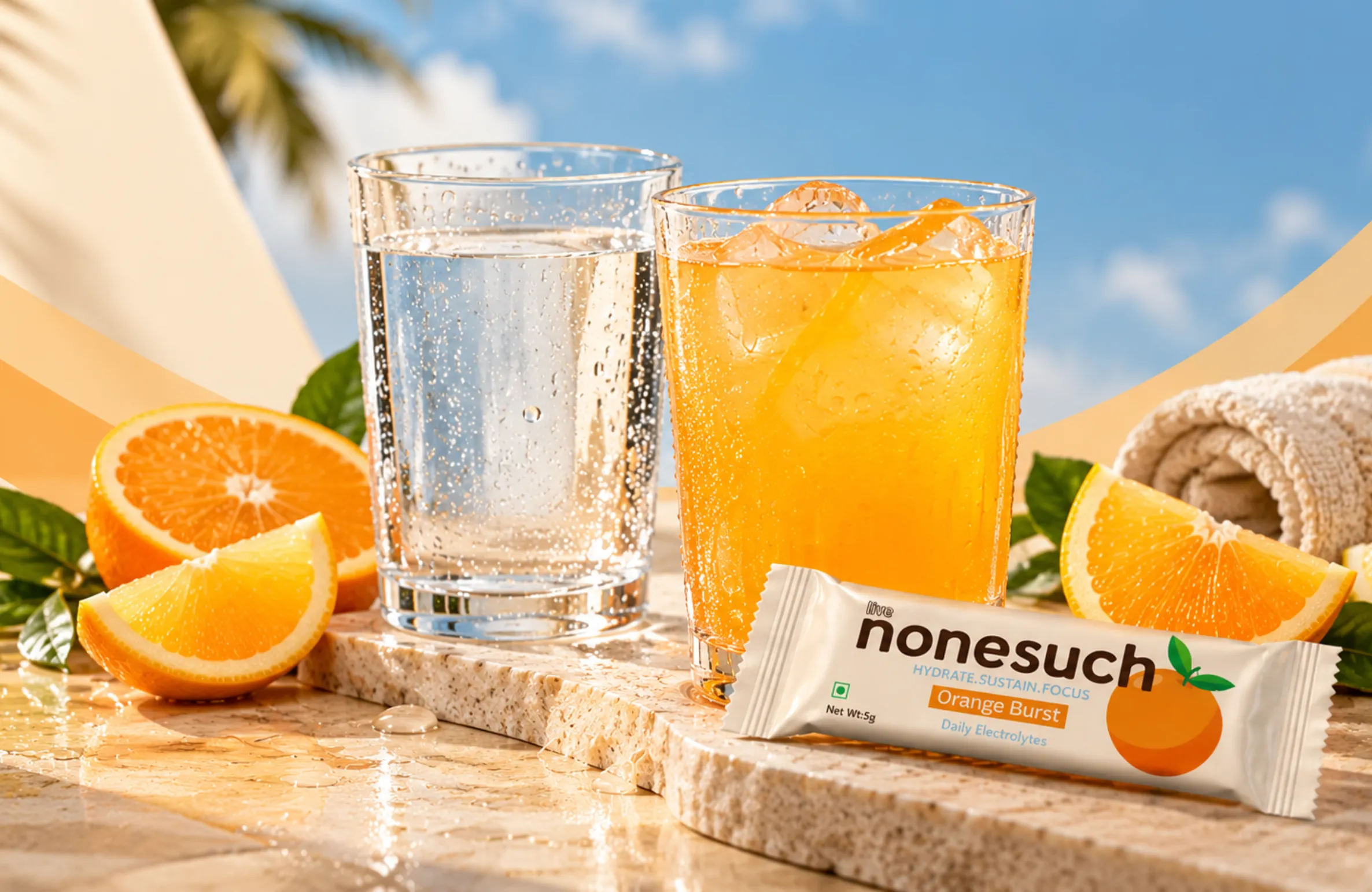
Let's settle a common fitness question: Is water enough during exercise, or should you be reaching for an electrolyte drink?
The answer depends on the workout, not just the fact that you're exercising.
Sports hydration guidance emphasises avoiding excessive fluid loss while recognising that sweat rates and sweat composition vary considerably between individuals.
Here's a simple way to think about it:
- A short, easy workout: Water and your usual meals will generally be enough.
- A longer workout in hot weather: Electrolytes may help replace minerals lost through heavy sweating.
- A prolonged, intense endurance session: You may need a more carefully planned combination of fluids, sodium, and carbohydrates. A regular daily electrolyte mix may not provide everything required.
And here's a useful tip: if you want to understand how much fluid you lose during a workout, weighing yourself before and after the session can provide a rough estimate, provided you account for any fluids consumed and urine passed.
The goal isn't to drink as much as possible. It's to replace what your body needs without overdoing it.
So, when looking for the best hydration for workouts, don't choose a drink just because it has an impressive label or is popular at the gym. Choose according to the duration, intensity, and conditions of your activity.
Water vs Electrolyte Drinks: How to Read a Label Without a Science Degree
Walk down the hydration aisle or scroll through an online store, and you'll find plenty of drinks promising better hydration, more energy, and a long list of added benefits.
But before you pick one, pause for a moment.
A good electrolyte drink should make it easy to understand what you're consuming. Here's what to look for:
- Sodium and potassium: Check the actual quantities rather than relying on a vague mineral blend.
- Added sugar: Some drinks contain substantial amounts, which can add up if consumed frequently.
- Sweeteners: Look at which sweeteners are used and decide whether they suit your preferences.
- Additional ingredients: Check for magnesium, calcium, vitamins, or other added ingredients without assuming that more ingredients automatically mean a better product.
- Caffeine: Worth checking if you're looking for a caffeine-free drink, especially for later in the day.
A Closer Look: live nonesuch Daily Electrolytes
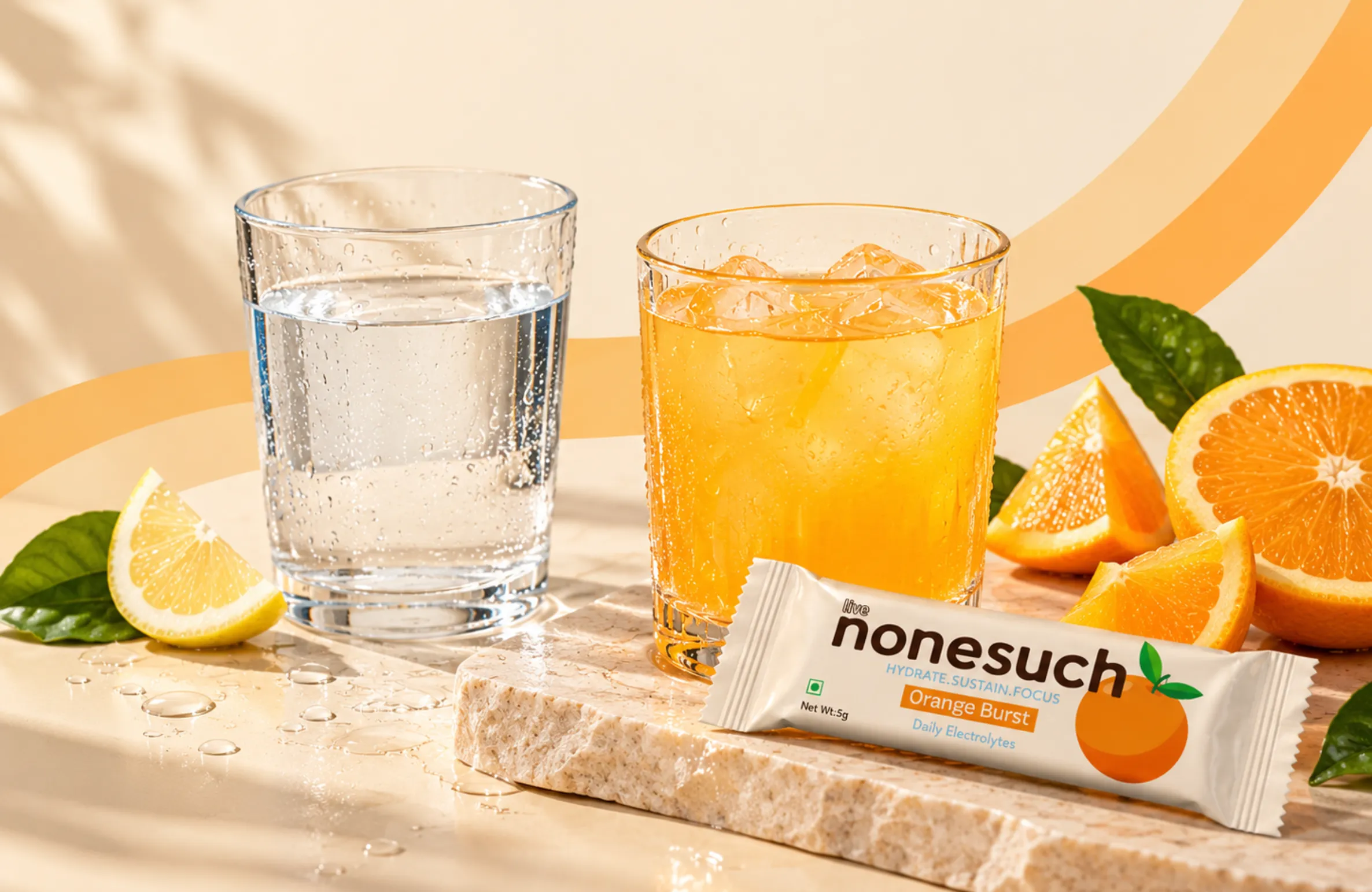
For example, one stick of live nonesuch Daily Electrolytes in Orange Burst lists:
- 240 mg sodium and 200 mg potassium
- 60 mg magnesium and 40 mg calcium
- Zinc, vitamin C, and vitamins B6 and B12
- 500 mg taurine
- 0 g added sugar and 0.5 kcal
- No caffeine
- Erythritol and sucralose as sweeteners
Its relatively modest sodium content is worth noting. At 240 mg per serving, it provides a smaller amount of sodium than products designed specifically for substantial sweat losses during prolonged, intense exercise.
That distinction matters because a daily electrolyte drink and a sports hydration formula aren't necessarily designed for the same job.
The product's ingredient list can help you understand what you're getting, but the right choice still depends on your activity, dietary needs, and how much fluid and sodium you lose.
Electrolyte Water Benefits: What Can You Actually Expect?
Electrolyte drinks can be useful, but let's keep expectations realistic.
Their main benefit is helping replenish fluid and electrolytes when your body needs both. Depending on the formulation, they may also provide minerals and other nutrients.
Here's what that means in everyday terms:
- Fluid balance: Sodium and potassium help regulate the body's fluid balance.
- Normal muscle function: Magnesium and calcium play roles in normal muscle function.
- Nutritional support: Zinc and vitamin C support normal immune function, while vitamins B6 and B12 contribute to normal energy metabolism.
But let's clear up a few things.
An electrolyte drink isn't a magic energy potion. It doesn't automatically prevent muscle cramps, treat every case of dehydration, or replace a balanced meal. And more electrolytes don't necessarily mean better hydration.
Think of it as a practical addition to your routine when your day calls for it, not something you need to sip constantly just because it's available.
One Important Exception: When You're Unwell
There's a difference between needing everyday hydration support and treating dehydration caused by illness.
If you're experiencing diarrhoea or vomiting, a regular electrolyte drink isn't necessarily the right solution. Oral rehydration salts (ORS) are specifically formulated to help treat dehydration, particularly when diarrhoea causes significant fluid and electrolyte losses.
Follow appropriate medical advice, use ORS as directed, and seek medical attention if symptoms are severe or persistent.
If you have a medical condition or take regular medication, it's also sensible to check with your healthcare professional before making electrolyte drinks a daily habit.
Electrolytes vs Water: Your Simple Hydration Cheat Sheet
Still wondering what belongs in your bottle tomorrow? Here's an easy guide.
1. A regular day at your desk: Water and balanced meals.
2. A hot, sweaty day outdoors: Water, with electrolytes if you're losing substantial amounts of fluid and salt.
3. A short, easy workout: Water is generally enough.
4. A long, intense workout: Consider a hydration plan suited to your sweat losses, including adequate sodium and, when needed, carbohydrates.
5. Diarrhoea or vomiting: Use an appropriate ORS and seek medical advice when needed.
That's it. No complicated calculations for every glass, no need to follow every hydration trend, and certainly no reason to treat plain water as yesterday's news.
Frequently Asked Questions
Is plain water enough for hydration?
For most people on most days, yes. Water and regular meals generally provide what your body needs. Electrolytes may become useful when heat, heavy sweating, or prolonged physical activity increases fluid and mineral losses.
When should I take electrolytes?
Consider them when you experience substantial sweating, spend extended periods being physically active in hot weather, or complete a long workout. For ordinary daily activities, water and balanced meals are generally sufficient.
Can I drink electrolytes every day?
Whether daily use is appropriate depends on your diet, activity, health, and the product's ingredients. An electrolyte drink isn't essential for everyone, and you should follow the serving instructions on the pack. If you have a medical condition or take regular medication, consult your healthcare professional.
Can electrolyte drinks replace ORS?
No. ORS is a specific formulation intended to help treat dehydration, particularly from diarrhoea. A regular daily electrolyte drink should not be treated as an equivalent replacement.
Does live nonesuch Daily Electrolytes contain sugar or caffeine?
According to the product information, one stick contains 0 g added sugar and 0.5 kcal, with no caffeine. It uses erythritol and sucralose as sweeteners.
How many sticks can I have in a day?
Follow the serving instructions on the product packaging rather than assuming that more is better. If you have a medical condition or take regular medication, check with your healthcare professional first.
The Takeaway: Keep It Simple, Keep It Hydrated
At the end of the day, the electrolytes vs water debate doesn't need to be complicated.
Water remains the foundation of everyday hydration. Your meals provide essential minerals, too. But when the weather gets hotter, your workout gets longer, or your day involves substantial sweating, electrolytes can help replace minerals that water alone doesn't supply.
The goal isn't to drink more products. It's to understand what your body needs and respond accordingly.
And if you're looking for a convenient option for days that call for a little extra hydration support, live nonesuch Daily Electrolytes offers an easy-to-carry format.
Just tear, pour one stick into 350 ml of water, shake, and you're ready to go. A box of 15 sticks is priced at ₹399, and you can explore the Orange Burst flavour.
Because sometimes, better hydration starts with a simple habit: knowing when water is enough, and when your day needs a little more.
Sources
- American College of Sports Medicine, Position Stand: Exercise and Fluid Replacement, Medicine & Science in Sports & Exercise, 2007.
- ICMR–National Institute of Nutrition, Dietary Guidelines for Indians, including guidance on sodium and potassium.
- World Health Organization and UNICEF, Oral Rehydration Salts: Production of the New ORS, 2006.
- Frontiers in Nutrition, 2024 research discussing dietary intake of sodium and potassium among North Indians and relevant WHO guidance.
Make hydration part of your day.
Electrolytes, B vitamins, Vitamin C and zinc.