
21 October 2026 · 4 min read
Electrolytes vs Water: What Your Body Needs for Hydration

Most of us were raised on one piece of health advice above all others: drink more water. Water is essential for digestion, circulation, temperature regulation and many other functions. But if you've felt exhausted, foggy or cramped despite drinking plenty, you've experienced the gap between fluid intake and the body's wider hydration needs.
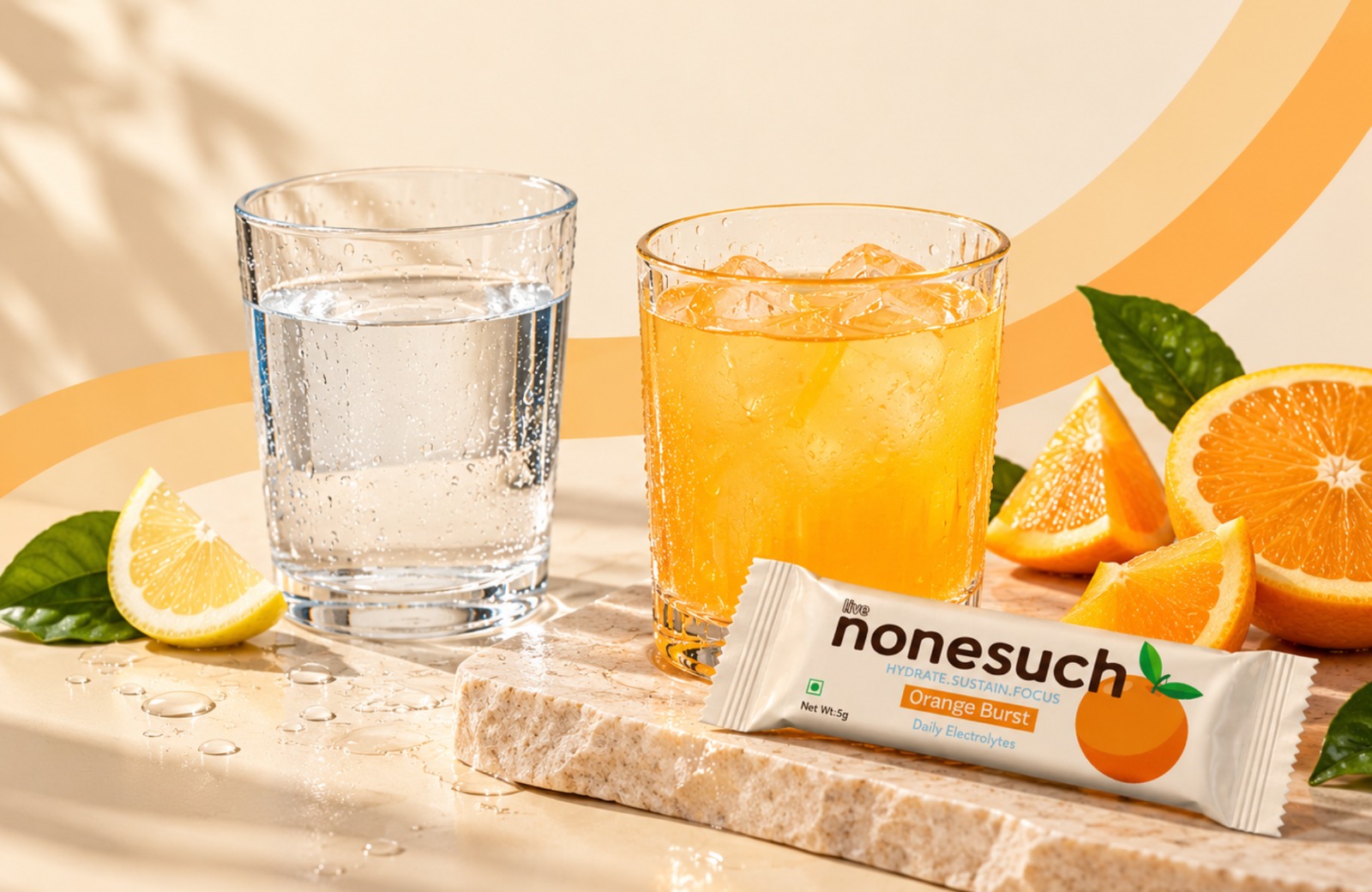
Water and electrolytes are different, and they are not interchangeable. Understanding the difference between electrolytes vs water can help you make more informed choices about hydration, especially in a hot, humid city such as Hyderabad.
What are electrolytes?
Electrolytes are minerals that carry an electrical charge when dissolved in fluid. The key ones your body relies on are sodium, potassium, magnesium, calcium and chloride. They help regulate fluid balance inside and outside cells, enable nerve signals, support muscle contractions and contribute to kidney function and blood pressure regulation.
Electrolytes also play a role in how your body absorbs and uses water. Your body's needs depend on your diet, health, activity and how much you sweat.

Water vs electrolytes: what is the difference?
Water transports nutrients, helps remove waste, regulates temperature and lubricates tissues. Electrolytes are minerals that help your body maintain fluid balance and support normal nerve and muscle function.
When you sweat, you lose water and minerals, including sodium and chloride. Replacing fluid matters, and after prolonged or heavy sweating, the balance of minerals may matter too. Fatigue, cramps, brain fog and headaches have many possible causes, so they do not by themselves prove an electrolyte imbalance.
When might you need more than plain water?
For most low intensity daily activity, water and a balanced diet are enough. You may need to consider electrolyte replacement in situations such as:
- Long or intense exercise: prolonged activity and heavy sweating increase fluid and mineral losses.
- Hot, humid weather: commuting or working outdoors in Hyderabad can increase sweating, even when you do not notice it.
- Illness: vomiting and diarrhoea can cause significant fluid and electrolyte loss. Oral rehydration solutions and medical advice may be appropriate.
- Very high fluid intake: drinking excessive amounts of plain water in a short time can be dangerous and dilute blood sodium. Follow thirst and medical guidance rather than forcing large volumes.
If you feel unwell or have persistent symptoms, speak with a healthcare professional instead of assuming electrolytes are the cause.
Possible signs to take seriously
Muscle cramps, headaches, fatigue, difficulty concentrating, dizziness, palpitations or persistent thirst can have many causes. If symptoms are severe, continue, or include an irregular heartbeat or confusion, seek medical care. A clinician can assess whether testing or treatment is needed.
A practical exercise hydration guide
For a short, light workout, water is generally suitable for most people. For longer or more intense sessions, particularly in heat, consider how much you sweat and whether you need a drink that replaces electrolytes. Coconut water contains potassium but has a different sodium profile from many oral rehydration products. Choose according to the activity and follow product directions.
Avoid over-supplementing. People with kidney, heart or blood pressure conditions, or those taking medicines that affect fluid balance, should ask a healthcare professional before using electrolyte supplements.
Choosing an electrolyte drink
Check the label for sodium, potassium, serving size and added sugars. The right option depends on your activity, diet and health. A product's claims should match its ingredient list and directions. Live Nonesuch Daily Electrolytes are described as having no added sugar and no artificial flavours; see the product details on the Live Nonesuch homepage before choosing.
Frequently asked questions
Do I need electrolytes every day?
Not everyone does. Needs depend on diet, activity, sweat loss, climate and health. Ask a healthcare professional if you have a medical condition or are unsure.
Can drinking too much water be harmful?
Yes. Drinking excessive amounts in a short period can lower blood sodium and become a medical emergency. Do not force large amounts of water.
Is coconut water a good source of electrolytes?
It contains potassium and some other minerals, but its composition differs from oral rehydration solutions. What is appropriate depends on the situation.
When should I take electrolytes?
There is no one timing that suits everyone. Consider activity and sweat loss, follow product directions and seek professional advice when needed.
Are electrolyte drinks safe for daily use?
That depends on the ingredients and your health. Check sodium and other minerals on the label; ask a clinician if you have a health condition or take medication.
How can I tell whether I have an electrolyte deficiency?
Symptoms alone cannot confirm a deficiency. A healthcare professional can assess symptoms and decide whether a blood test is needed.
Do electrolytes help with hangovers?
Alcohol can increase urination, but a hangover has several causes. Water and rest may help with comfort; seek medical help for severe symptoms. Electrolytes are not a cure.
Make hydration fit your day
Water is essential, and electrolytes have important roles in the body. For everyday hydration, consider your diet, activity and climate. After heavy sweating or illness, choose an appropriate rehydration option and get medical advice when symptoms are significant. The goal is a sensible routine that fits your needs, not unnecessary supplementation.
Make hydration part of your day.
Electrolytes, B vitamins, Vitamin C and zinc.