
30 October 2026 · 12 min read
Everyday Hydration vs Active Hydration: Nonesuch
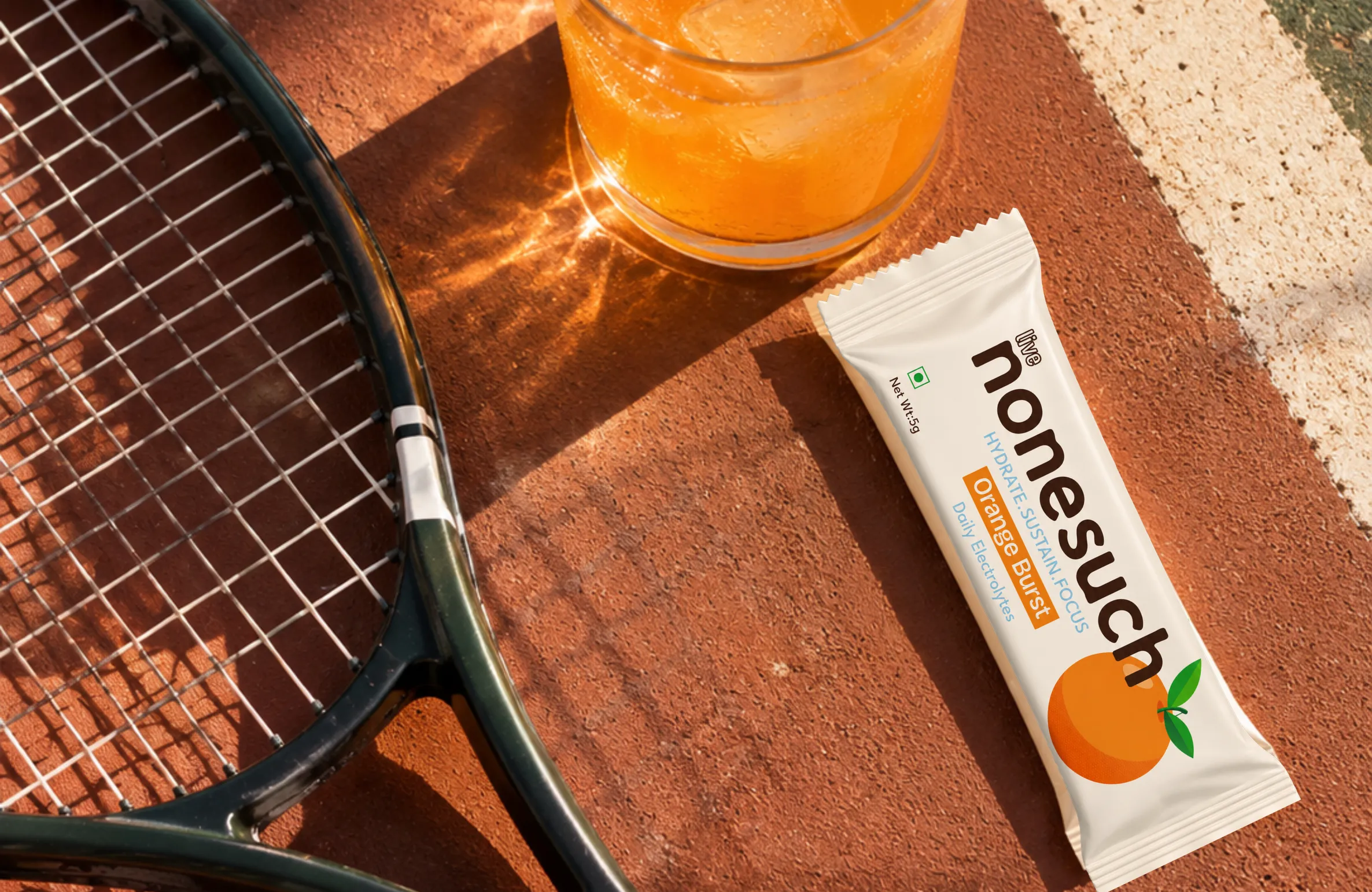
From your morning glass of water to the bottle you carry to the gym, hydration is part of everyday life. But do you need the same approach on a quiet day at your desk as you do during a workout or a long afternoon outdoors?
Not necessarily. Your body's hydration needs can change with the weather, your activity levels, and how much you sweat. While regular water intake and balanced meals are generally enough for everyday activities, prolonged exercise or significant sweating may call for additional fluids and electrolytes.
Understanding the difference between everyday hydration vs active hydration can help you make better choices without overcomplicating your routine.
In this guide, we'll explore how the two approaches differ, when electrolytes may be useful, and how to choose the right hydration strategy for your lifestyle.
Everyday Hydration: The Small Habit That Makes a Big Difference
Everyday hydration is about the simple habits that keep you going from morning to night. It could mean drinking a glass of water after waking up, keeping a bottle beside your laptop, or remembering to hydrate between meetings.
Of course, we have all carried a water bottle around all day only to realise, by evening, that we have barely touched it!
Building a consistent routine makes hydration easier, especially on busy days when drinking enough water can slip your mind. Your daily needs depend on several factors, including your body size, diet, activity levels, and the weather. There isn't one fixed amount that works for everyone.
Your meals contribute to hydration and mineral intake, too. According to the ICMR-NIN dietary guidelines, all foods contain sodium, while beans, lentils, bananas, and coconut water are good sources of potassium.
This means everyday hydration isn't just about counting glasses of water. It's about drinking fluids regularly, eating balanced meals, and adjusting your habits to suit your day.
For a regular workday, a relaxed evening at home, or a gentle walk in pleasant weather, water and balanced meals are generally enough to support normal hydration.
Active Hydration: When Your Body Needs Extra Support
Now think about a different kind of day. You head out for a morning run, spend an hour playing badminton, cycle through the neighbourhood, or attend an outdoor event under the summer sun. By the time you're done, your clothes are damp, your water bottle is nearly empty, and you've worked up quite a sweat.
During these activities, your body loses fluid through sweat, along with electrolytes such as sodium and potassium. The amount lost varies from person to person and depends on the duration and intensity of the activity, the temperature, and individual sweat rates.
This is where active hydration becomes important.
The ICMR-NIN dietary guidelines explain that sodium needs depend partly on losses through urine, faeces, and sweat. During exercise, sweat losses can become a significant consideration.
The American College of Sports Medicine (ACSM) also highlights the importance of avoiding excessive fluid deficits and major disturbances in electrolyte balance during exercise, followed by replacing the fluid and electrolyte losses afterward.
In simple terms, active hydration means paying closer attention to what your body loses during demanding activities and replacing it appropriately.
Active Hydration vs Regular Hydration: What's the Difference?
Both approaches support hydration, but they serve slightly different purposes depending on your activity levels and the conditions you're in.
| Feature | Everyday Hydration | Active Hydration | | ---------------- | --------------------------------- | -------------------------------------------------------- | | When | Throughout the day | Before, during, and after demanding or sweaty activities | | Main goal | Maintain normal fluid balance | Replace fluid and minerals lost through sweat | | What you drink | Water alongside regular meals | Water, with electrolytes when needed | | Approach | Simple, consistent habits | Adjusted to the duration and intensity of activity | | What to consider | Remembering to drink on busy days | Replacing substantial losses during prolonged exercise |
You don't have to choose one approach permanently. Most people move between everyday and active hydration throughout the week.
A day spent working at a desk may require nothing more than water and regular meals. A long afternoon outdoors or an intense workout may call for a more deliberate hydration plan.
The important thing is to recognise how your routine, activity levels, and environment influence your needs.
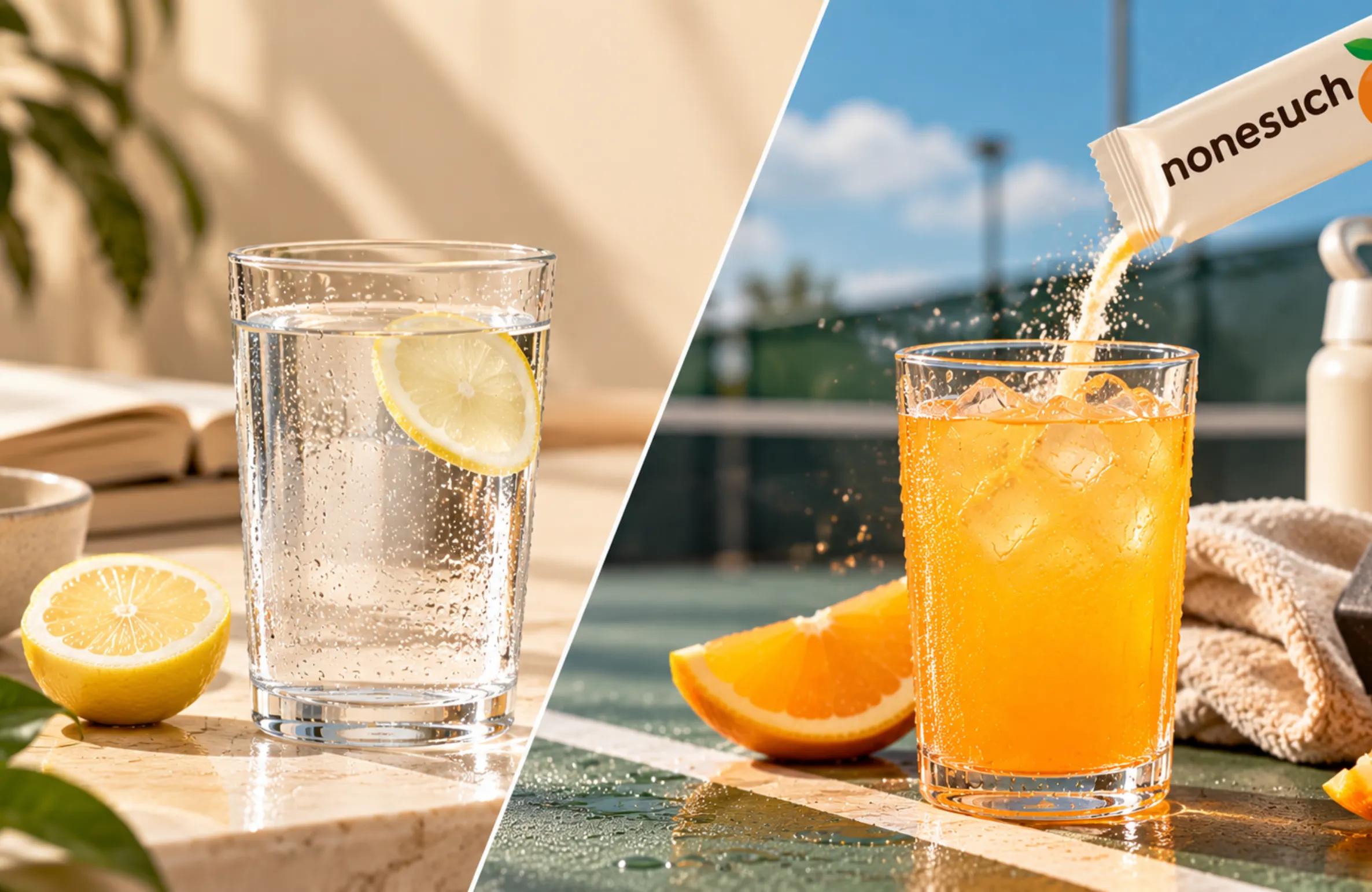
Hydration for Exercise: Understanding Your Sweat Losses
Have you ever noticed that some people finish a workout looking relatively fresh, while others are completely drenched in sweat?
Sweating varies considerably between individuals. Two people can complete the same workout and lose different amounts of fluid and sodium, depending on their bodies and the conditions in which they exercise.
The ACSM position stand highlights these differences and describes a practical way to estimate fluid loss: weighing yourself before and after exercise.
The difference in body weight can offer a rough estimate of fluid lost during a session, particularly when you account for fluids consumed and urine passed during that time.
You don't need to do this after every workout. Trying it occasionally during different weather conditions can help you better understand your own sweat patterns.
This can make hydration for exercise more personalised and help you plan how much fluid you may need to replace.
Remember, the goal isn't to drink as much water as possible. It's to replace what you've lost sensibly and avoid both excessive dehydration and overhydration.
Electrolyte Hydration: Finding the Right Balance
Water is the foundation of hydration, but on days when you sweat significantly, you may also need to replace some of the minerals lost through sweat.
That's where electrolyte drinks can fit into your routine.
Consider a long commute in hot weather, a day spent outdoors, or a lighter workout that leaves you sweating more than expected. Depending on the amount of fluid and salt you've lost, an electrolyte drink may help replenish those losses.
A lighter daily electrolyte can be an option for everyday use or lighter workouts, although it's not necessary for everyone. Your activity, diet, and individual hydration needs should guide your choice.
One example is live nonesuch Daily Electrolytes in Orange Burst.
Designed for everyday use and lighter workouts, each stick contains:
- —240 mg sodium and 200 mg potassium, a ratio close to 1:1
- —60 mg magnesium and 40 mg calcium
- —Zinc, vitamin C, and vitamins B6 and B12
- —0 g added sugar and 0.5 kcal
- —No caffeine
The formula is sweetened with erythritol and sucralose, the latter being an artificial sweetener.
Its sodium content is relatively light compared with products designed for substantial sweat losses during prolonged, intense exercise. This distinction matters because everyday electrolyte drinks and dedicated sports hydration formulas may serve different purposes.
For regular activities and lighter workouts, a daily electrolyte may be a convenient option when additional electrolytes are appropriate. For longer, more demanding sessions, your hydration needs may require a more carefully planned approach.
Hydration for an Active Lifestyle: Three Habits That Make It Easier
You don't need an elaborate hydration schedule or a collection of specialised drinks to build better habits. A few practical steps can help you stay on top of your fluid needs.
1. Start Hydrating Before Your Activity
Don't wait until you're halfway through a workout to think about hydration.
Drink water regularly throughout the day and have your usual meals before exercising. Starting an activity well hydrated is generally more practical than trying to make up for several hours of forgotten water in one go.
If you're planning a run, a gym session, or a game of badminton, give yourself time to prepare rather than relying on last-minute gulps from your bottle.
2. Match Your Drink to Your Day
Your hydration needs aren't identical every day.
A cool afternoon spent working indoors generally calls for water and regular meals. A hot day involving prolonged physical activity and substantial sweating may call for additional electrolytes.
Consider the duration of your activity, the temperature, and how much you're sweating before deciding what to drink.
The aim is to choose what suits your needs, not to add unnecessary products to your routine.
3. Rehydrate After You Finish
Your hydration routine shouldn't end when your workout does.
After exercise, replace the fluids you've lost and have a balanced meal. Food provides minerals and other nutrients that contribute to your overall recovery.
For longer or particularly sweaty sessions, you may need to pay closer attention to fluid and electrolyte replacement.
These simple habits can support hydration for physical performance while keeping your routine manageable and realistic.
Where Sports Hydration Fits In (And When You May Need More)
A short yoga session and a three-hour cycling ride place very different demands on your body. Naturally, the hydration strategy that works for one may not be suitable for the other.
Sports hydration products designed for prolonged, intense exercise often contain higher amounts of sodium and carbohydrates to help meet the demands of extended activity.
The ACSM position stand notes that drinks containing electrolytes and carbohydrates can offer benefits over water alone in certain circumstances, particularly during demanding exercise when fluid, sodium, and energy replacement become important.
A lighter daily electrolyte stick may not provide enough sodium or carbohydrates for these sessions.
If you regularly participate in marathons, long cycling rides, or multi-hour matches, consider a hydration plan suited to the duration and intensity of your activity and your individual sweat losses.
For everyday office days, regular commutes, and lighter workouts, a simpler approach is generally sufficient.
The key is to match your hydration strategy to your activity rather than assuming every workout requires a sports drink.
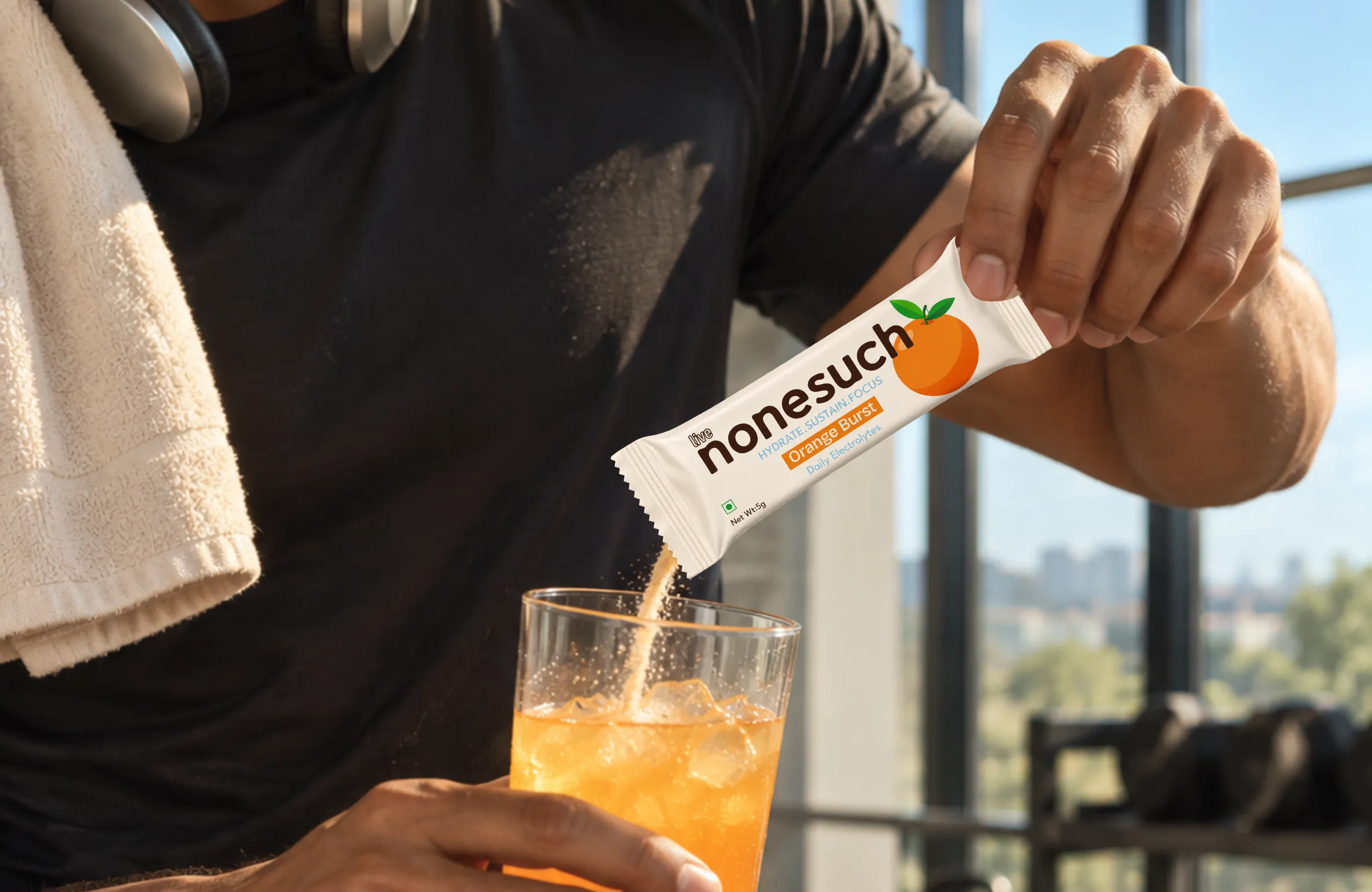
Choosing the Right Hydration Approach for Your Routine
Not sure which approach fits your day? Here's a simple guide to help you decide.
1. A regular desk day in a cool room
Stick to everyday hydration with water and balanced meals.
2. A hot day with a long commute
Drink water regularly. If you're sweating substantially, an electrolyte drink may help replace the minerals you've lost.
3. A lighter workout, such as yoga, a brisk walk, or a short jog
Water is generally sufficient. Additional electrolytes may be useful if the session involves significant sweating.
4. A long, intense workout or sports session
Pay closer attention to fluid replacement. Depending on the duration and your sweat losses, you may need more sodium or carbohydrates than a daily electrolyte drink provides.
5. A day involving diarrhoea or vomiting
This requires a different approach. The World Health Organization and UNICEF recommend oral rehydration salts (ORS) to help treat dehydration caused by diarrhoea. An everyday electrolyte drink isn't an equivalent substitute. Use ORS as directed and seek medical advice when appropriate.
As your routine changes, your hydration needs can change with it. Paying attention to the weather, activity duration, and how much you sweat can help you make more informed choices.
Frequently Asked Questions
What is the difference between everyday hydration and active hydration?
Everyday hydration involves drinking fluids consistently throughout the day and maintaining normal fluid balance. Active hydration focuses on replacing the fluid and minerals lost during prolonged physical activity or substantial sweating. Most people use both approaches at different times.
Is active hydration only for athletes?
No. Anyone who sweats significantly during a workout, a hot commute, or a long day outdoors may need to pay extra attention to fluid replacement. You don't have to be a professional athlete to benefit from a hydration strategy that suits your activities.
Can I use live nonesuch Daily Electrolytes for workouts?
According to its product positioning, live nonesuch Daily Electrolytes is intended for everyday use and lighter workouts. Longer, more intense sessions may require more sodium or carbohydrates than a daily electrolyte stick provides.
How can I tell how much fluid I lose when I exercise?
The ACSM position stand suggests weighing yourself before and after exercise as a practical way to estimate fluid loss. The difference provides a rough indication when you account for fluids consumed and urine passed during the session. Sweat rates vary from person to person, so individual results will differ.
Can an everyday electrolyte replace ORS?
No. ORS is specifically formulated to help treat dehydration, particularly from diarrhoea. If you're experiencing diarrhoea or vomiting, use ORS as directed and seek medical advice when needed.
How many electrolyte sticks can I have in a day?
Follow the serving instructions on the product packaging. More electrolytes don't automatically mean better hydration. If you have a medical condition or take regular medication, consult your healthcare professional before making electrolyte drinks a regular habit.
The Takeaway: Make Hydration Work for Your Routine
Hydration doesn't need to follow a rigid, one-size-fits-all plan. The best approach depends on how you spend your day and how much fluid and electrolytes your body loses.
For everyday activities, water and balanced meals are generally enough to maintain normal hydration. When prolonged exercise, hot weather, or substantial sweating increases your losses, active hydration deserves more attention.
And for those in-between days, a convenient daily electrolyte can be an option when additional electrolytes are appropriate.
For everyday use and lighter workouts, live nonesuch Daily Electrolytes in Orange Burst comes in an easy-to-carry stick format.
Simply tear, pour one stick into 350 ml of water, shake, and you're ready to go. A box of 15 sticks is priced at ₹399.
Because good hydration isn't about following every new trend. It's about understanding your body, building consistent habits, and choosing the right support when your routine demands a little more.
Sources
- —American College of Sports Medicine. Position Stand: Exercise and Fluid Replacement. Medicine & Science in Sports & Exercise, 2007.
- —ICMR-National Institute of Nutrition. Dietary Guidelines for Indians: Sodium and Potassium, as published on Vikaspedia.
- —World Health Organization and UNICEF. Oral Rehydration Salts: Production of the New ORS. 2006.
Make hydration part of your day.
Electrolytes, B vitamins, Vitamin C and zinc.